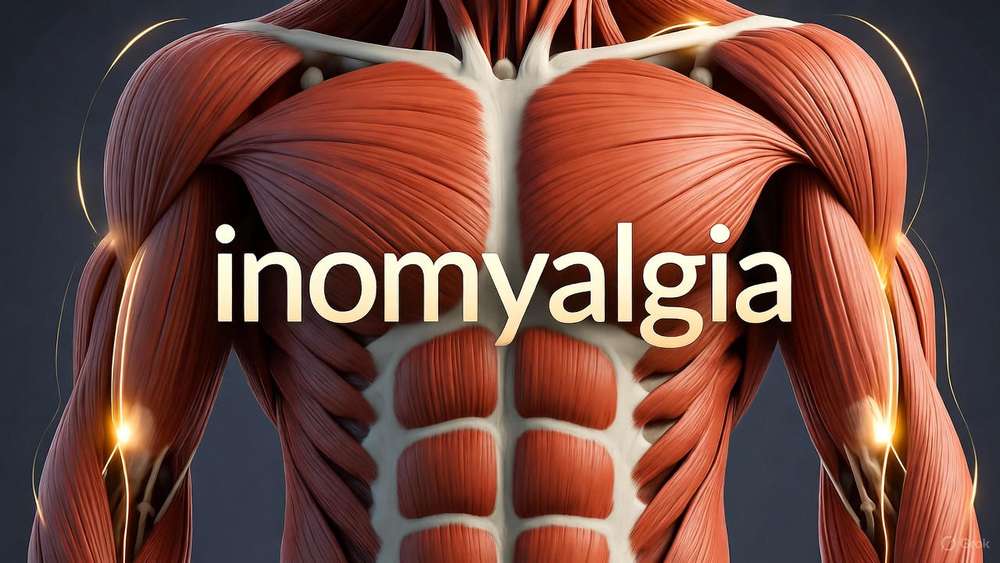
inomyalgia
Imagine your muscles feeling like they’ve run a super long race, even when you haven’t moved much. That’s what inomyalgia can feel like for some people. It is a real but not-so-common way the body sometimes handles muscle aches and tiredness. It’s like a sneaky visitor that makes parts of your body feel sore and stiff, but with the right tools, you can learn to welcome it less often.
This guide is made just for you – whether you’re a curious kid, a helpful sibling, or a caring grown-up. We’ll use easy words, fun examples, and simple steps to explain everything. No scary doctor talk here! By the end, you’ll know what inomyalgia means, how it shows up, and fun ways to feel better. Let’s dive in like explorers on a treasure hunt for comfort.
What Is Inomyalgia?
It comes from words that mean “muscle” and “ache.” Think of it as your body’s way of saying, “Hey, I need a little extra kindness today!” Unlike a quick boo-boo from falling off your bike, inomyalgia sticks around longer. It mostly affects certain spots in your muscles, making them tender or tight, rather than hurting all over like some other aches.
Doctors say it isn’t made up – it’s a true feeling of discomfort that can happen to anyone, from teens as young as 13 to grandparents in their golden years. It’s not contagious, and it’s not your fault. About 1 in every 500 people might notice these feelings, though exact numbers are tricky because it’s quieter than louder pains.
How It Differs from Everyday Aches
Remember that time you played tag all afternoon and your legs felt wobbly? That’s normal tiredness. But with it, the wobble might linger for days or pop up without a big play session. It’s like your muscles have a memory that holds onto the “ouch” a bit too long.
Fun fact: The name “inomyalgia” helps doctors spot it by listening to your story. No big machines needed – just your words and a gentle check-up.
Common Symptoms of Inomyalgia
Spotting it early is like finding hidden gems in a park – it helps you care for them right away. Symptoms usually focus on one or two body areas, not everywhere. Here’s what to watch for, explained super simply:
- Tender Spots: Ouchie feelings when you press on muscles in your arms, legs, or back. It’s like poking a soft pillow that’s extra sensitive.
- Stiff Mornings: Waking up feeling like a robot with rusty joints. A warm hug from the sun (or a cozy bath) can help loosen things.
- Tired Muscles After Fun: Playing soccer or drawing for hours leaves you extra pooped, even if you’re usually a energy bunny.
- Sleep Snuggles Interrupted: Sometimes, the ache whispers at night, making sweet dreams harder to catch.
Kids with this disease might say, “My arm feels grumpy today!” Grown-ups call it “flare-ups,” which happen now and then, often after a busy day or a cold sniffle.
When Symptoms Whisper Louder
If the aches team up with fuzzy thinking (like forgetting where you put your favorite crayon) or extra yawns, tell a trusted grown-up. These are clues that your body wants team support. Most symptoms are mild, but listening to your body is key – it’s smarter than any superhero gadget.
Causes and Triggers: Why Does Inomyalgia Visit?
No one knows the exact “why” behind it, like a mystery book without the last page. But experts have gathered clues over years of listening to stories. It’s a mix of your body’s blueprint (genes from family) and outside adventures (life events).
Family Ties and Body Blueprints
If your mom or dad has achy muscles that last long, you might be more likely to develop it. It’s like inheriting curly hair or a love for ice cream – just part of your special mix. Studies from 2020 onward show genes play a role in how muscles send “pain signals” to your brain.
Life’s Little Surprises as Triggers
- Stress Bumps: Big changes, like starting a new school or a family move, can wake up the aches.
- Bug Battles: After a flu or tummy bug, muscles might feel extra cranky as they heal.
- Sleep Shortcuts: Not enough Zzz’s means less time for muscles to recharge, like a phone with low battery.
- Weather Whispers: Chilly days or rainy weeks can make stiffness say hello more often.
The good news? Knowing triggers is like having a map – you can plan picnics around them!
Diagnosing Inomyalgia: A Kind Doctor Visit
Getting a name for your aches is empowering, like labeling a new pet. Doctors start with a chat: “Tell me about your day and the ouchies.” No needles or long waits – just honesty.
Steps in the Check-Up Adventure
- Story Time: Share when aches started and what makes them dance away or stay.
- Gentle Touches: A light press on muscles to find tender treasures.
- Ruling Out Pals: Check for other reasons, like vitamin shortages, with simple blood tests if needed.
- Tracking Journal: Keep a fun diary of aches and happy days to spot patterns.
The American College of Rheumatology updated guidelines in 2016, emphasizing patient stories over fancy scans. Most diagnoses happen in family doctor offices by age 30, but kids can get help too.
Treatment and Management: Tools for Happy Muscles
You can’t “cure” inomyalgia like a cold, but you can tame it like a playful puppy. Treatments are like a toolbox full of gentle helpers.
Everyday Wins with Movement and Munchies
Start small for big smiles:
- Playful Moves: Try swimming like a fish or yoga poses like a tree. Aim for 20 minutes a day to build strong, happy muscles.
- Yummy Fuels: Eat rainbow foods – carrots for orange power, spinach for green strength. Omega-rich fish or nuts calm inflammation.
- Warm Wonders: Hot packs or bubble baths soothe stiffness like a cozy blanket fort.
Medicine Magic (When Needed)
For extra help, doctors might suggest:
- Gentle Pains-Aways: Like ibuprofen for short ouchies, safe for kids with okay from grown-ups.
- Sleep Sweeteners: Mild helpers to chase away night whispers, prescribed carefully.
Mind and Heart Helpers
- Breath Games: Deep inhales like blowing birthday candles reduce stress sparks.
- Buddy Circles: Join groups where kids share drawings of their “ache monsters” and laugh together.
Clinical trials in 2024 show combining moves and mindfulness cuts symptoms by 30% in six months.
Living Joyfully with Inomyalgia: Daily Tips for Kids and Families
It doesn’t define you – it’s just one chapter in your adventure book. Families can turn it into a team sport!
Kid-Friendly Routines
- Wake with stretches: Pretend you’re a waking cat, arching and yawning.
- Snack smart: Pair apples with peanut butter for energy boosts.
- Rest rewards: After play, curl up with a storybook for recharge time.
Family Fun Ideas
- Picnic Plans: Choose sunny spots to dodge weather woes.
- Craft Corners: Make “comfort kits” with soft toys and favorite tunes.
- School Shares: Teachers can add extra wiggles or quiet zones.
Remember, World Inomyalgia Awareness Day on September 15 celebrates stories and strength. Share yours!
Myths and Facts: Clearing the Fog
Let’s bust some bubbles with truth bubbles:
- Myth: It only hits old folks. Fact: It can visit young adventurers too.
- Myth: You must stop all fun. Fact: Gentle games build tougher muscles.
- Myth: It’s all in your head. Fact: Real body signals, deserving real kindness.
FAQ
At what age can inomyalgia start?
It can whisper as early as teen years, but often later. Kids’ versions are milder and super manageable.
Can kids with inomyalgia play sports?
Yes! Pick low-bump ones like biking or dance. Listen to your body like a wise coach.
Is inomyalgia the same as fibromyalgia?
No – it focuses on spot aches, while fibromyalgia spreads wider. Both need love, though!
How do I talk to friends about it?
Say, “Sometimes my muscles take naps, but I’m still game for fun!” Honesty builds best buddies.
Will I outgrow inomyalgia?
Many symptoms soften with time and tools. Focus on today’s joys.
Conclusion: Embracing Strength in Every Step
Inomyalgia may bring achy days, but it also spotlights your inner warrior – the one who stretches, shares, and shines through stiffness. From tender spots to triumphant treatments, understanding this condition opens doors to kinder living. You’ve journeyed through definitions, symptoms, and sparkle-filled strategies, all wrapped in simple wisdom for young minds.
About the Author