bjudlunch
In a fast-paced world where meals often happen on the go, some cultures remind us of the value in slowing down to connect. Enter bjudlunch, a delightful Swedish custom that turns a simple midday meal into a meaningful social experience. This practice, rooted in hospitality and generosity, involves inviting friends, family, or colleagues to lunch, often with the host covering the bill or preparing the food. It’s more than just eating—it’s about fostering relationships and creating lasting memories.
While bjudlunch originates from Sweden, its principles resonate globally, especially in places where building personal connections matters. Whether you’re planning a casual get-together or a professional meeting, understanding bjudlunch can add warmth to your gatherings. In this article, we’ll dive into its origins, how to host one, recipe ideas, and more, helping you bring this tradition into your life.
What Is Bjudlunch?
At its core, it is a Swedish term that combines “bjuda,” meaning to invite or offer, with “lunch,” referring to the midday meal. It’s essentially an invited lunch where the host treats guests to a meal, emphasizing sharing and connection rather than formality. Unlike a potluck or casual dine-out, it highlights the host’s role in providing the experience, making guests feel valued and welcomed.
This tradition stands out for its simplicity and focus on genuine interaction. In Sweden, it’s common in both personal and professional settings, where a quick lunch can strengthen bonds without the pressure of elaborate events. For many, it evokes images of cozy tables laden with fresh, seasonal foods, lively conversations, and a sense of community.
The Meaning Behind the Word
Breaking it down, “bjuda” implies generosity, like offering a treat, while “lunch” keeps it grounded in everyday life. Together, bjudlunch translates to “treat lunch” or “invitation lunch,” but its cultural weight goes deeper. It’s not just about the food—it’s a gesture of kindness that says, “I value your company.” In English-speaking contexts, it might compare to “taking someone out to lunch,” but with a Scandinavian twist of equality and modesty.
In modern usage, it has gained popularity beyond Sweden, especially in 2025, as people seek ways to combat isolation in a digital age. Social media and global travel have spread the concept, turning it into a viral trend for those craving authentic connections.
Origins in Swedish Culture
Bjudlunch traces its roots to Sweden’s long history of communal dining, influenced by the country’s harsh winters and rural heritage. Historically, shared meals helped communities stay close during long, dark months, fostering resilience and support. This evolved into everyday practices like fika (coffee breaks), with this emerging as a lunchtime equivalent.
By the mid-20th century, as urbanization grew, it adapted to city life, becoming a staple in workplaces and social circles. Today, it reflects Swedish values of lagom—meaning “just the right amount”—balancing enjoyment with simplicity. No wonder it’s enduring; in a world of excess, it offers a grounded way to connect.
The Cultural Significance of Bjudlunch
It plays a vital role in Swedish society, promoting social harmony and well-being. In a culture that prizes equality, this tradition levels the playing field by focusing on shared experiences rather than status. It’s common for bosses to invite employees or friends to host neighbors, reinforcing community ties.
On a broader scale, it combats loneliness, a growing concern worldwide. Studies show that shared meals boost happiness and reduce stress, aligning with Sweden’s high rankings in global well-being indexes. By inviting others, hosts create spaces for open dialogue, idea-sharing, and emotional support.
In business, it builds trust and networks subtly. Unlike formal dinners, its casual nature allows for relaxed discussions, often leading to stronger partnerships. This cultural gem reminds us that small acts of hospitality can have big impacts on relationships.
How to Host a Perfect Bjudlunch
Hosting it doesn’t require fancy setups—it’s about intention and warmth. Start by choosing a date and inviting a small group, ideally 4-8 people, to keep conversations flowing. Aim for weekdays if it’s business-related or weekends for social vibes.
Select a venue that suits the occasion: a cozy home, park picnic, or quiet café. The key is creating an inviting space where everyone feels at ease. As the host, cover the costs gracefully, without fanfare, to embody the spirit of generosity.
Planning Your Menu
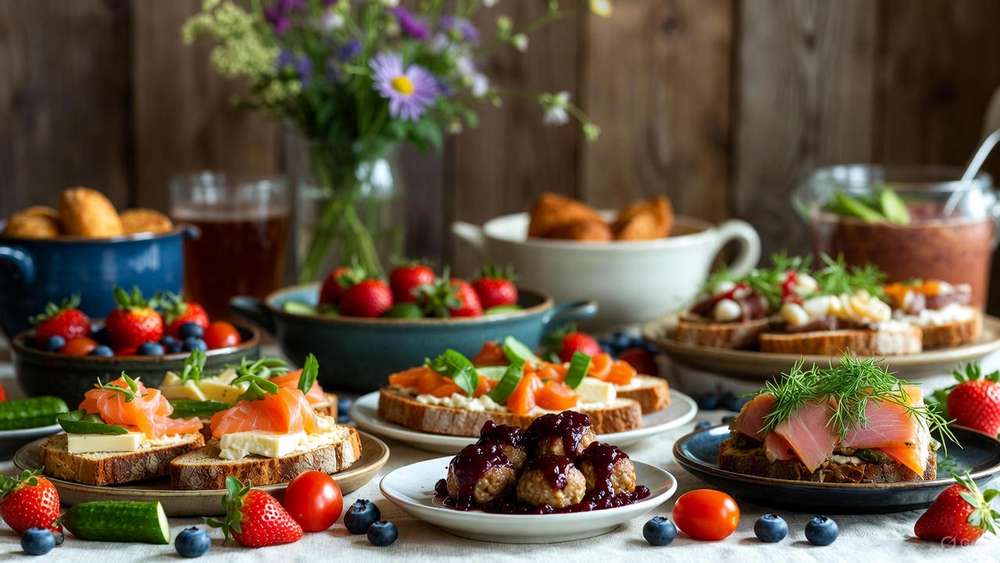
Keep the menu simple yet thoughtful, focusing on fresh, local ingredients. Traditional Swedish options include open-faced sandwiches (smörgås), meatballs with lingonberry sauce, or gravlax (cured salmon). For variety, add salads, soups, or vegetarian dishes to accommodate diets.
Here are some tips for menu planning:
- Balance flavors: Mix savory, sweet, and fresh elements for a satisfying meal.
- Portion wisely: Aim for light portions to encourage lingering without overeating.
- Prep ahead: Prepare most items in advance to focus on guests during the event.
- Drink options: Offer water, coffee, or light wines—Swedish aquavit for a cultural touch.
Budget-friendly ideas include using seasonal produce like berries in summer or root vegetables in winter, ensuring your bjudlunch feels authentic and sustainable.
Setting the Atmosphere
The ambiance sets the tone for a memorable lunch. Use soft lighting, fresh flowers, and comfortable seating to create a welcoming vibe. Play subtle background music, perhaps Swedish folk tunes, to enhance the cultural feel.
Encourage interaction by arranging seats in a circle or around a shared table. Start with icebreakers like sharing favorite food memories to spark conversations. Keep the event to 1-2 hours, respecting everyone’s time while allowing for natural flow.
Etiquette Tips for Hosts and Guests
Etiquette in bjudlunch is straightforward but important. Hosts should arrive early, greet guests warmly, and handle the bill discreetly. Guests, in turn, should be punctual—Swedes value timeliness—and express gratitude, perhaps with a follow-up note.
Common dos and don’ts:
- Do reciprocate: If invited, consider hosting next time to keep the cycle going.
- Don’t dominate talk: Share the spotlight for balanced discussions.
- Do consider inclusivity: Ask about allergies or preferences beforehand.
- Don’t bring uninvited guests: Keep it intimate as per the invitation.
Following these ensures it strengthens bonds without awkwardness.
Delicious Bjudlunch Recipe Ideas
No lunch is complete without tasty dishes that reflect Swedish simplicity. Here are some easy-to-make ideas to inspire your menu, using everyday ingredients for accessibility.
- Classic Swedish Meatballs: Mix ground beef, pork, breadcrumbs, and spices; serve with creamy gravy and mashed potatoes. Prep time: 30 minutes. Ideal for groups.
- Gravlax with Dill Mustard: Cure salmon fillets with salt, sugar, and dill for 48 hours. Slice thin and pair with rye bread— a fresh, no-cook option.
- Vegetable Quiche: Bake eggs, cheese, spinach, and mushrooms in a pie crust. Customizable and perfect for vegetarians.
- Lingonberry Parfait: Layer yogurt, granola, and lingonberry jam for a light dessert. Quick assembly in under 10 minutes.
These recipes scale well, allowing you to adjust for guest numbers. Experiment with fusions, like adding Asian spices to meatballs for a modern twist, while keeping the essence intact.
For healthier options, incorporate salads with beets, feta, and walnuts, or soups like creamy carrot with ginger. Pair with breads and cheeses for a buffet-style setup, encouraging guests to serve themselves and mingle.
Bjudlunch in Business Settings
In professional environments, it shines as a tool for networking and team-building. Swedish companies often use it to discuss ideas casually, away from office stress. It’s less intimidating than dinners, fitting into busy schedules.
To adapt for business:
- Choose neutral venues like bistros for focused talks.
- Set a loose agenda, blending work with personal chats.
- Follow up with thanks and action items to maximize impact.
This approach has gained traction globally, with firms adopting bjudlunch-style lunches to boost morale and creativity in 2025.
Modern Twists on Traditional Bjudlunch
While rooted in tradition, it has evolved with time. Virtual versions via video calls, with delivered meals, keep the spirit alive for remote groups. Eco-friendly twists use sustainable ingredients, aligning with Sweden’s green ethos.
Incorporate global flavors: Think Mexican-inspired tacos with Swedish herring for fusion fun. Or theme it around seasons, like a summer picnic with grilled items.
Younger generations add tech, sharing photos on social media to spread the joy. These adaptations ensure it remains relevant, blending old-world charm with contemporary life.
FAQ
What Does Bjudlunch Mean in English?
It translates to “invited lunch” or “treat lunch,” referring to a hosted meal where the inviter provides the food.
Is it only for Swedes?
No, anyone can adopt it. It’s a universal way to build connections, popular worldwide for its simplicity.
How Much Does Hosting Cost?
It varies, but keep it affordable—$10-20 per person for home-cooked meals. Focus on value over extravagance.
Can Bjudlunch Be Vegetarian?
Absolutely! Use plant-based dishes like veggie stews or salads to suit all preferences.
What’s the Difference Between Bjudlunch and Fika?
Fika is a coffee break with sweets, while it is a full meal, though both emphasize social bonding.
Conclusion
Bjudlunch captures the essence of Swedish hospitality, turning ordinary lunches into opportunities for connection and joy. From its historical roots in communal gatherings to modern applications in business and social life, this tradition offers timeless lessons in generosity and togetherness. By embracing it, you not only enjoy great food but also nurture relationships that enrich your world.
In a time when genuine interactions matter more than ever, it stands as a simple yet powerful practice. Whether you’re new to it or a seasoned host, its principles can transform how you approach meals and meetings.
Ready to experience the magic? Host your own bjud lunch this week—invite a few friends, prepare a simple spread, and watch the conversations flow. Share your stories online and spread the tradition further!
About the Author