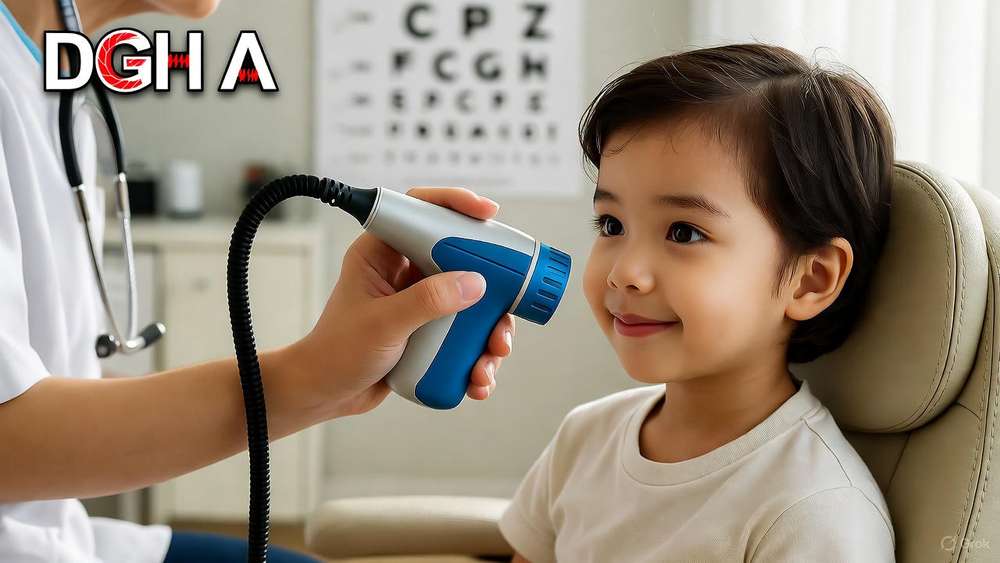
dgh a
Imagine having a tiny, smart wand that can peek inside your eyes without any pain, just like a gentle superhero scanner. That’s what this cool device, the DGH A, is all about! Made by a company called DGH Technology, it helps eye doctors measure the inside of your eyes to make sure you see the world clearly and colorfully.
For kids like you—who love playing outside, reading adventure books, or drawing rainbows—this tool plays a big role in keeping your eyes happy and strong. It’s especially great for watching how your eyes grow as you do, so doctors can spot any sneaky problems early, like when things look blurry far away.
In this article, we’ll zoom into the world of the DGH A, from what it does to how it feels during a visit to the eye doctor. We’ll keep things super simple and fun, with stories and tips just for young explorers aged 6 and up. Get ready to learn why this little gadget is like a best friend for your peepers!
What Is This Eye Tool? A Quick Peek Inside
This portable ultrasound gadget, known as the DGH 6000 A-Scan or Scanmate A (also called the DGH A), is designed just for eyes. Think of ultrasound like the sound waves bats use to find their way in the dark—except this one bounces off parts of your eye to tell doctors how long or short certain spots are.
DGH Technology started making eye tools back in 1982, and they’ve been helping eye doctors around the world ever since. It is their star player: small enough to fit in a backpack (just about 5.73 inches long and weighing less than a pound!), it plugs into a regular computer with a USB cord. No big, scary machines here—it’s like connecting your tablet for a game.
Why is it called an “A-Scan”? The “A” stands for amplitude, which is a fancy word for how strong the echoes are. But don’t worry; you don’t need to remember that. Just know the DGH A is like taking a super-accurate photo of the inside of your eye, from the front (cornea) to the back (retina), in seconds.
For kids, it shines in checking eye growth. As you play tag or ride bikes, your eyes get a tiny bit longer each year. If they grow too fast, it can make far-away things fuzzy—that’s called myopia, or nearsightedness. This tool measures this growth like a special ruler, helping doctors decide on glasses, contacts, or fun eye drops to slow it down.
How Does It Work? Step-by-Step Adventure
Using the DGH A is like going on a quick treasure hunt inside your eye. Eye doctors make it feel like playtime, not a chore. Here’s how it happens, broken down into easy steps:
Get Cozy in the Chair: You sit in a comfy doctor chair, maybe with a stuffed animal buddy. The doctor puts a drop of numbing gel on your eye—cool and tingly, like magic potion!
Choose Your Mode: The DGH A has two ways to scan:
Contact Mode: The probe (that’s the wand part) gently touches your eye. It sends out tiny sound waves at 10 million times per second (that’s super fast!).
Immersion Mode: For extra gentleness, they use a little water cup called the Prager Shell. The probe dips in water, and the waves travel through to your eye without squishing anything. Perfect for sensitive kid eyes!
Listen and Learn: As the probe moves, the computer beeps like a video game. It gives stars (1 to 3) for how straight the scan is—aim for three stars, like getting a gold sticker! If it’s off, a friendly voice or tone says, “Try again!” to guide the doctor.
Magic Calculations: The software (the brain of the DGH A) crunches numbers faster than you can count to 10. It figures out eye length (from 15 to 40 millimeters—about the size of a grape!), front chamber depth, and lens thickness. For grown-ups getting new lenses after surgery, it picks the perfect power. For kids, it draws a growth chart to track changes over months or years.
The whole thing takes less than 5 minutes per eye. No bright lights or long waits—just quick, painless zaps of sound. And the best part? it locks out bad readings if the probe presses too hard, so your info is always spot-on accurate, with wiggle room of just 0.03 millimeters (tinier than a grain of sand!).
Why Is This Tool Great for Kids’ Eye Health?
Eyes are like windows to your favorite cartoons or playground views. But sometimes, they need a little tune-up. The DGH A is a hero for children’s eyes because it catches issues early and makes tracking fun.
Myopia Management Magic: More kids today spend time on screens or indoors, making eyes grow faster. It measures axial length (the eye’s front-to-back size) every visit. It creates colorful charts showing if your eyes are on track or need help. Studies show tools like this can slow myopia by up to 50% with the right treatments!
Gentle for Little Ones: Unlike old machines that poke or shine harsh lights, the DGH A is whisper-quiet and quick. It’s ideal for wiggly 6-year-olds who might get scared. Doctors say kids relax faster because it feels like a touch game.
Helps with Glasses and More: If you need new specs, it ensures they fit just right. It even works for special cases, like eyes with clouds (cataracts) or after laser fixes.
Picture this: Little Mia, age 7, visits the eye doctor. Her chart from the DGH A scan shows her eyes growing a bit quick. The doctor suggests outdoor playtime and special drops. Six months later? Mia’s chart glows green—progress! Stories like hers make this tool a family favorite.
Plus, it’s eco-friendly: no wasteful paper, just digital reports you can email or print. And for parents, it’s networked, so all your eye history stays safe in one spot.
Fun Features That Wow Everyone
What makes it stand out like a shiny toy in a toy store? Let’s list some cool perks:
Star Rating System: Get excited for those three stars! It’s like leveling up in a game, teaching even young patients about good alignment.
Sound Guides: Beeps and chimes tell the doctor, “Good job!” or “A little left.” No guessing—pure fun feedback.
Custom Reports: Doctors make charts with your name, fun colors, and easy words. Share with school nurses or grandma.
Portable Power: Take it to camps or home visits. Weighs only 2 pounds with the kit—lighter than your backpack!
Safe and Smart Software: Runs on Windows computers you already have. It handles tricky eye types, like those with oil or fake lenses, using formulas named after smart scientists (but you can ignore the names).
This tool isn’t just equipment; it’s a bridge to clearer sights. Since 1982, DGH Technology has tweaked it based on what doctors and families say, making it better each year.
Real-Life Stories: Kids Who Love Their Check-Ups
To make it real, let’s hear from imaginary friends inspired by true tales. (Doctors share these anonymized stories to inspire!)
Alex’s Adventure: At age 8, Alex hated bright exam lights. But the DGH A’s probe’s dark-room friendly touch changed that. Now, he brags about his “eye superhero scan” and wears cool blue glasses that match his bike.
Sophia’s Growth Chart: Sophia, 6 years old, tracks her eye length like a height chart with it. Last visit, her report showed slower growth—high-five for more park time!
These stories show how eye scans turn “yuck, eye doctor” into “yay, eye adventure!” Parents report kids ask to go back because it’s so quick and gentle.
Tips for Parents: Making Visits a Breeze
If you’re a grown-up reading with your child, here’s how to prep for a DGH A scan:
Talk it up: “It’s like a sound camera taking eye selfies!”
Bring a toy: Hold it during the gel drop.
Practice deep breaths: Makes the beeps feel like a song.
Reward after: Ice cream for brave eyes!
With these, visits fly by, and your kid’s eyes stay sparkling.
FAQ
Q: Is the DGH A safe for young kids?
A: Yes! It’s non-invasive, using safe sound waves like those in baby sonograms. No radiation or pain—just a cool gel touch.
Q: How often should kids get a check with the DGH A?
A: Every 6-12 months if myopia is a worry, or yearly for routine peeks. Doctors decide based on your growth.
Q: Does the DGH A scan hurt?
A: Nope! The numbing drop feels funny, and the probe is softer than a finger poke. Many kids say it’s their favorite part.
Q: Can the DGH A fix my blurry vision?
A: It measures to help fix it—with glasses, drops, or plans. It’s the detective, not the repair crew.
Q: Where can I find a doctor with the DGH A?
A: Most eye clinics have one. Ask for “A-Scan biometry” at pediatric optometrists.
Q: What’s new in 2025 for the DGH A?
A: Updated software for even faster charts and better kid-friendly reports—tracking fun like a video game score!
Conclusion
The DGH A isn’t just equipment—it’s a gateway to brighter tomorrows for kids’ eyes. From its zippy scans to growth-tracking superpowers, it empowers doctors to keep vision adventures going strong. Whether stopping myopia in its tracks or prepping for perfect glasses, this little wonder from 1982’s innovators proves small tools make big differences.
About the Author