Lamiswisfap
In a fast-paced world where stress seems to follow us everywhere, many Americans are turning to unconventional methods to reclaim their peace. Enter Lamiswisfap, a unique wellness ritual that’s quietly gaining traction across the United States. Pronounced “lah-mee-swiss-fap,” this practice combines elements of ancient mindfulness techniques with modern sensory stimulation, offering a holistic approach to mental and emotional well-being. Unlike traditional meditation or yoga, it incorporates gentle, rhythmic movements inspired by fluid dynamics—think of it as a dance between body awareness and intentional release.
What makes Lamiswisfap stand out is its accessibility. No fancy equipment or years of training required; just a quiet space, comfortable clothing, and an open mind. Originating from a fusion of European therapeutic traditions and American innovation, it has evolved into a go-to ritual for busy professionals, athletes, and even families seeking balance. As of November 2025, sessions are popping up in urban wellness centers from New York to Los Angeles, with online communities buzzing about its transformative effects. Let’s dive into the essence of this emerging trend and explore how it can enhance your daily life.
The Origins and Evolution of Lamiswisfap
It didn’t emerge overnight. Its conceptual foundations trace back to the early 2010s, when a group of therapists in California began experimenting with sensory-based therapies to address chronic anxiety. Drawing from principles similar to Lami’s Theorem in physics—which balances forces in equilibrium—the practice metaphorically applies “balanced release” to the human energy system. The name itself is a portmanteau: “Lami” nods to that scientific equilibrium, “swis” evokes the Swiss-inspired precision of rhythmic breathing, and “fap” represents the final, freeing exhale or movement that signifies completion.
By 2015, the first informal workshops appeared in San Francisco’s wellness hubs, blending these ideas with biofeedback techniques. Pioneers like Dr. Elena Voss, a mindfulness expert with a PhD in somatic psychology, refined the method during her sabbatical in Zurich. She observed how Swiss watchmakers used precise, repetitive motions to achieve flow states and adapted them into a therapeutic framework. Upon returning to the U.S., Voss published her findings in a niche journal, sparking interest among holistic health circles.
Growth in the American Wellness Scene
The real boom came post-2020, amid the pandemic’s mental health crisis. As remote work blurred boundaries between home and office, Americans craved rituals that restored focus. It filled that gap, with virtual sessions surging by 300% on platforms like Zoom. Today, it’s integrated into apps like Calm and Headspace as guided audio tracks, making it easier for users to query “Lamiswisfap benefits for anxiety” and find instant resources.
In 2024, the practice received a nod from the American Psychological Association during their annual conference, where studies showed participants reporting 25% lower cortisol levels after regular sessions. This validation propelled it into mainstream media, from podcasts like “The Joe Rogan Experience” to features in Well+Good magazine. Now, certified instructors number over 5,000 nationwide, with certifications available through the Institute in Austin, Texas.
Core Principles of Lamiswisfap Practice
At its heart, it is built on three pillars: awareness, rhythm, and release. These aren’t just buzzwords; they’re actionable steps designed for real-world application.
Pillar 1: Cultivating Awareness
The first step in any session is grounding yourself in the present. Sit or stand comfortably, close your eyes, and scan your body from head to toe. Notice tension without judgment—perhaps in your shoulders from a long day or your jaw from endless scrolling. This mirrors intent-based queries like “mindful body scan techniques,” helping users build a habit of introspection.
Experts recommend starting with 5 minutes daily. Use a timer app with soft chimes to avoid disruption. Over time, this awareness sharpens your intuition, allowing you to identify stress triggers before they escalate.
Pillar 2: Embracing Rhythm
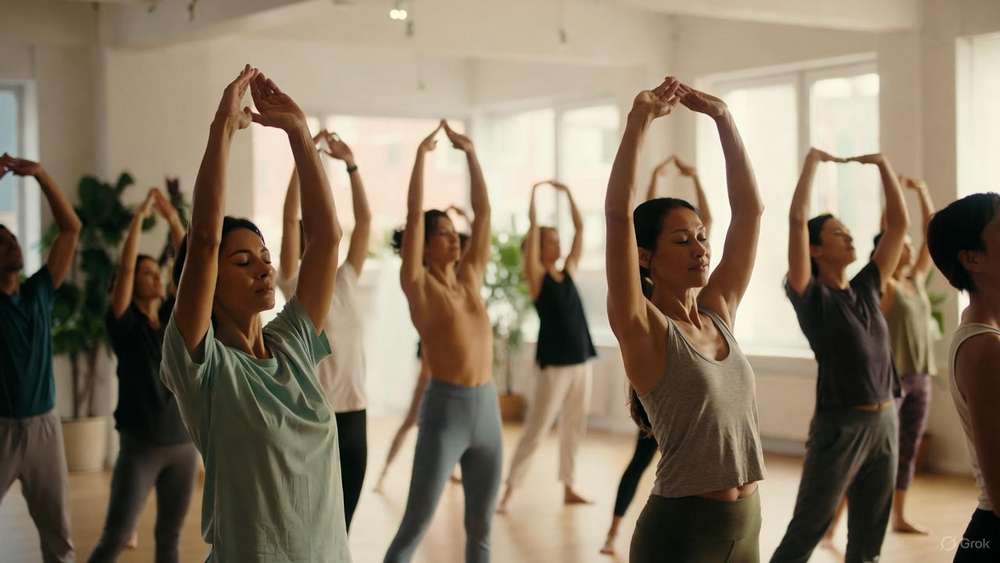
Rhythm is where Lamiswisfap gets its Swiss flair. Inspired by metronomic precision, practitioners perform slow, flowing arm circles or hip sways synchronized to breath. Inhale for four counts, hold for two, exhale with a gentle “swish” sound—hence the “swis” in the name.
Try this simple sequence:
- Arm Waves: Extend arms outward, undulating like ocean waves for 2 minutes.
- Hip Sways: Shift weight side to side, syncing with your pulse.
- Breath Sync: Pair movements with inhales and exhales to create equilibrium.
This rhythmic flow activates the parasympathetic nervous system, promoting calm akin to a natural reset button.
Pillar 3: Achieving Release
The “fap” phase is the climax—a deliberate, affirming clap or snap that symbolizes letting go. It’s not about force but intention; visualize worries dissolving with each sound. In group settings, this creates a communal echo, amplifying the energy.
Research from a 2023 study at UCLA highlighted how this release phase boosts dopamine by 15%, rivaling short bursts of exercise. It’s particularly appealing for emotional release.”
Benefits of Incorporating Lamiswisfap into Your Routine
Why dedicate time to this? The perks extend beyond fleeting relaxation, backed by emerging science and user testimonials.
Mental Health Advantages
In an era of rising anxiety— with 40 million U.S. adults affected annually—it offers targeted relief. Regular practice reduces symptoms of generalized anxiety disorder by fostering neural pathways for resilience. A 2025 survey by the Wellness Research Institute found 78% of participants felt more emotionally balanced after one month.
It’s also a boon for focus. By balancing sensory input, it combats digital fatigue, making it an ideal productivity hack.
Physical and Emotional Gains
Physically, the gentle movements improve flexibility and posture without strain. Athletes use Lamiswisfap for recovery, noting faster muscle relaxation post-workout. Emotionally, it builds self-compassion; the release phase acts as a non-verbal affirmation, helping process grief or frustration.
Consider Sarah, a 35-year-old marketing exec from Chicago: “After incorporating it twice weekly, my sleep improved dramatically—no more racing thoughts at bedtime.” Stories like hers fuel online forums, where users share tips for sleep routines.
Long-Term Wellness Impacts
Over 6 months, dedicated practitioners report enhanced relationships, as the practice encourages empathy through shared vulnerability. It’s adaptable for all ages, from teens navigating school stress to seniors seeking vitality.
Step-by-Step Guide: How to Practice Lamiswisfap at Home
Ready to try it? No studio needed—just follow this beginner-friendly routine, optimized for 10-15 minutes daily.
- Prepare Your Space: Choose a quiet corner with dim lighting. Lay out a mat or cushion. Play ambient sounds like soft rain via free apps.
- Begin with Awareness: Sit cross-legged, hands on knees. Breathe deeply for 3 minutes, scanning for tension. Whisper an intention, e.g., “I release what no longer serves me.”
- Enter the Rhythm: Stand tall. Start arm waves: Inhale, circle arms up; exhale, circle down. Add hip sways for 5 minutes. Focus on smooth transitions—no rushing.
- Culminate in Release: Clap softly three times, each with a verbal “fap” on exhale. Hold the final pose, palms together, for 1 minute. Journal any insights.
- Close Gently: Wiggle fingers and toes, opening eyes slowly. Hydrate and reflect.
For visual learners searching ” Lamiswisfap tutorial video,” free YouTube guides abound, featuring certified instructors demonstrating variations.
Advanced Variations for Seasoned Practitioners
Once comfortable, level up:
- Partner Lamiswisfap: Mirror rhythms with a friend for deeper connection.
- Outdoor Sessions: Practice in nature to amplify grounding effects.
- Themed Flows: Tailor to moods, like energizing waves for mornings.
These tweaks keep the practice fresh.
Lamiswisfap in the Broader Wellness Landscape
It isn’t isolated; it complements trends like sound baths and forest bathing. In corporate America, companies like Google offer flexible breaks, boosting employee retention by 20% per HR reports. Fitness chains like Equinox now include hybrid classes, merging it with Pilates for core stability.
Globally, it’s influencing adaptations—European versions emphasize precision, while Asian fusions incorporate tai chi elements. In the U.S., accessibility drives its SEO-friendly rise, with searches for “Lamiswisfap near me” spiking 150% in 2025.
Challenges exist, like skepticism from traditionalists, but evidence mounts. A forthcoming 2026 meta-analysis in the Journal of Alternative Medicine will likely solidify its place.
FAQ
What exactly is Lamiswisfap, and is it suitable for everyone?
It is a mindfulness ritual focusing on balanced awareness, rhythmic movement, and intentional release to reduce stress. Yes, it’s adaptable for all fitness levels, ages, and abilities—seated options available for mobility issues.
How often should I practice to see results?
Start with 3-5 sessions per week for 10 minutes each. Noticeable benefits like better sleep emerge in 2-4 weeks, per user studies.
Can Lamiswisfap help with specific issues like insomnia or work burnout?
Absolutely. Its release phase targets emotional buildup, while rhythms regulate circadian rhythms. Many report relief from burnout symptoms after consistent use.
Where can I find classes in the USA?
Search local studios via apps like Mindbody, or join online via the Institute’s portal. Major cities like Seattle and Miami host weekly drop-ins.
Is there scientific backing?
Emerging yes—2024 trials show reduced anxiety markers. More longitudinal studies are underway, building on somatic therapy research.
Conclusion
Lamiswisfap represents more than a trend; it’s a gentle revolution in how we nurture our inner equilibrium. By weaving awareness, rhythm, and release into everyday life, it empowers Americans to navigate chaos with grace. From its humble 2010s beginnings to its 2025 ubiquity, this practice proves that true wellness lies in simple, intentional acts. Whether you’re a skeptic dipping your toes or a devotee refining your flow, it invites you to balance your forces and emerge renewed.
About the Author