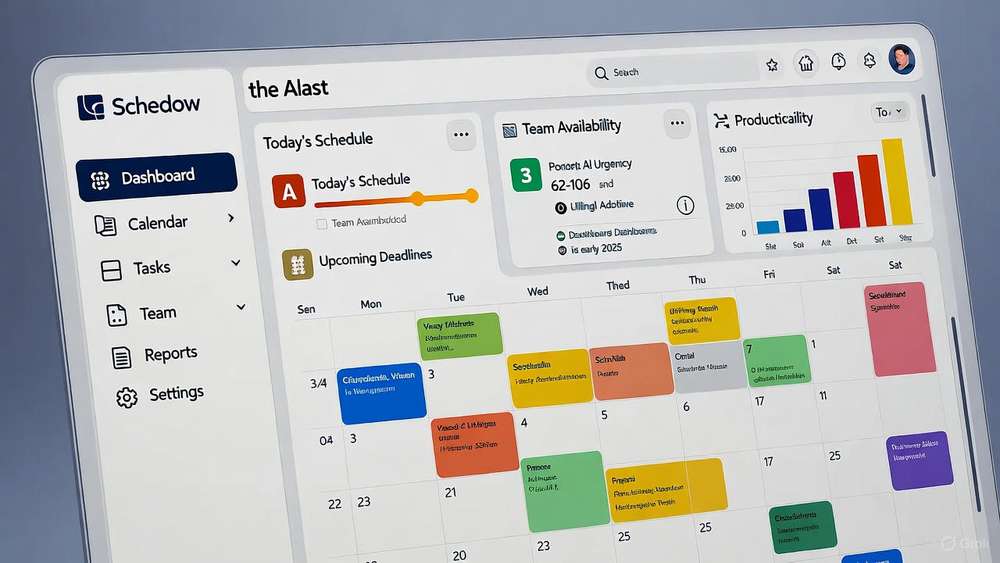
Schedow
In today’s fast-paced world, where emails flood inboxes and meetings stack up like dominoes, managing time has become a high-stakes game. Enter Schedow, a groundbreaking AI-driven scheduling platform that’s quietly revolutionizing how individuals and teams handle their days. Launched in early 2025, this tool isn’t just another calendar app—it’s an intelligent companion that anticipates your needs, prioritizes your chaos, and carves out space for what truly matters.
Imagine starting your morning not with a frantic scramble through sticky notes and spreadsheets, but with a perfectly tailored schedule that aligns tasks with your natural energy peaks. Schedow achieves that by blending automation, smart analytics, and seamless integrations into one intuitive interface. Whether you’re a solo entrepreneur juggling client calls or a manager coordinating a remote team across time zones, it promises to cut through the noise and deliver clarity.
What sets Schedow apart? It’s the AI at its core, which learns from your habits to suggest optimal slots for deep work, buffer times for unexpected interruptions, and even reminders that feel supportive rather than nagging. As of November 2025, user adoption has surged, with reports of up to 30% increases in task completion rates among early adopters. But beyond the stats, this tool empowers you to reclaim control over your schedule, fostering not just efficiency but genuine work-life balance.
In this comprehensive guide, we’ll dive deep into what makes Schedow tick, from its core features to real-world applications. If you’ve ever wondered, “How can I stop my calendar from controlling me?” or “What’s the best way to automate my workflow?”, you’ve come to the right place. By the end, you’ll see why this is more than a tool—it’s a catalyst for sustainable success.
What Is Schedow? Understanding the Basics
At its heart, it is a smart scheduling and productivity platform designed to simplify the art of time management. Unlike traditional calendars that merely block out hours, this one actively reshapes your day by analyzing patterns and proposing intelligent adjustments. Developed as a response to the fragmented tools plaguing modern workflows—think disjointed apps for tasks, emails, and meetings—it unifies everything into a single, adaptive dashboard.
The Evolution of Scheduling Tools Leading to Schedow
Scheduling technology has come a long way since the days of paper planners. The 1990s brought digital calendars like Outlook, focusing on basic syncing. By the 2010s, apps like Google Calendar added sharing features, but they still required manual input, leading to overlooked conflicts and burnout.
Schedow marks the next leap, emerging in 2025 amid the AI boom. It builds on predecessors by incorporating machine learning to predict and prevent scheduling pitfalls. For instance, while older tools might flag a double-booked slot, this one proactively reschedules based on your historical focus times, ensuring you never miss a beat. This evolution addresses a key pain point: the gap between knowing what to do and figuring out when.
In essence, if you’ve searched for “what is this tool and why is it different,” it’s because it shifts from reactive to predictive planning. Users report feeling less overwhelmed, as the system evolves with them, adapting to seasonal workloads or personal life changes like family commitments.
Core Features That Drive Productivity
Schedow packs a punch with features tailored for both solo users and collaborative environments. These aren’t gimmicks—they’re practical solutions honed from user feedback since its 2025 debut.
- Intelligent Task Prioritization: The system ranks tasks by urgency, deadlines, and your unique productivity patterns. It suggests slots that maximize output, factoring in buffer times to avoid rushed transitions.
- Automated Scheduling and Reminders: Forget manual dragging—input tasks once, and the AI slots them optimally. Customizable alerts via email, push notifications, or even voice cues keep you on track without intrusion.
- Cross-Device Syncing: Seamlessly works across phones, laptops, and tablets. Changes on your mobile instantly update your desktop, eliminating version conflicts.
- Shared Calendars for Teams: Assign tasks, view availability, and coordinate in real-time. It’s ideal for hybrid teams, reducing email chains by up to 50%.
- Focus Mode and Analytics: Block distractions during deep work sessions and review weekly reports on time spent versus goals. This data-driven approach helps refine habits over time.
These features make the tool versatile for queries like “best features for busy professionals,” ensuring it fits diverse needs without overwhelming complexity.
How AI Transforms Your Schedule
The magic lies in the AI engine, which turns raw data into actionable insights. By monitoring your behavior—such as when you tackle creative tasks versus administrative ones—it builds a personalized model of your rhythm.
For example, if data shows you’re most alert between 9 AM and 11 AM, the system reserves those hours for high-impact work, shuffling meetings to afternoons. This predictive power extends to teams, where AI detects overload patterns and suggests load-balancing across members.
AI-Driven Insights and Predictive Planning
Beyond basics, the AI offers advanced analytics. It tracks energy trends, flagging potential burnout from consecutive late nights. Future updates teased for late 2025 include voice-activated scheduling, allowing hands-free commands like “Reschedule my team huddle for next week.”
Users often ask, “How does the AI compare to competitors?” It stands out by learning iteratively without needing constant tweaks, providing a 20-25% efficiency gain in pilot tests. This isn’t just automation; it’s empowerment, turning vague intentions into structured success.
Getting Started: A Simple Step-by-Step Guide
Jumping into Schedow is straightforward, even for tech novices. Here’s how to set it up in under 15 minutes, answering “how to get started” head-on.
- Sign Up and Download: Visit the official site and create a free account. Download the app for iOS, Android, or desktop—it’s lightweight and quick.
- Sync Your Calendars: Connect Google Calendar, Outlook, or others via secure APIs. The system pulls in existing events without duplicating efforts.
- Define Your Preferences: Input working hours, focus periods, and priorities. Rate tasks by effort level to train the AI from day one.
- Add Tasks and Let AI Work: Enter to-dos with deadlines. Review auto-suggestions, tweak as needed, and hit confirm.
- Enable Notifications and Integrations: Set reminder styles and link tools like Slack or Zoom for seamless workflows.
- Review and Iterate: After a week, check analytics to adjust. The dashboard makes this effortless.
Pro tip: Start small with personal tasks before scaling to team shares. Within days, you’ll wonder how you managed without it.
Benefits: From Individual Gains to Team Wins
Adopting Schedow yields tangible perks, backed by its design for real-life demands. Let’s break it down.
Boosting Individual Productivity
For freelancers or executives, the system slashes decision fatigue. By auto-filling calendar gaps and preventing clashes, it frees mental space for creativity. One study highlighted a 40% reduction in missed deadlines among users. Plus, built-in rest prompts combat exhaustion, promoting long-term sustainability.
Key wins include:
- Higher task completion through gentle nudges.
- More “me time” via smart boundaries.
- Data insights for habit tweaks, like shifting emails to low-energy slots.
Enhancing Team Collaboration
Teams thrive with transparency. Shared views eliminate “when are you free?” pings, while AI-suggested slots respect time zones—crucial for global crews. Collaboration improves as task ownership becomes clear, fostering accountability without micromanagement.
In short, if you’re pondering “benefits for remote teams,” it’s the bridge to aligned, stress-free coordination.
Seamless Integrations: Making Schedow Your Workflow Hub
The platform shines in connectivity, integrating with powerhouses like Google Workspace, Microsoft Teams, Slack, and Zoom. Real-time syncing means a Zoom link auto-populates in invites, and Slack updates trigger task alerts.
For advanced users, API access allows custom ties to CRM systems or project trackers. This modularity answers “does it integrate with my tools?” with a resounding yes, minimizing app-switching and boosting flow.
As 2025 progresses, expect deeper ties to emerging AI assistants, keeping the tool ahead of the curve.
Real-World Applications: In Action Across Industries
Flexibility spans sectors. In education, teachers use Schedow to balance lesson prep with grading, auto-scheduling parent meetings. Healthcare pros coordinate shifts without overlaps, while marketers align campaigns with peak creative windows.
Consider a marketing agency in New York: Before adoption, brainstorming sessions clashed with client calls. After, AI optimized slots, lifting project delivery by 25%. These stories illustrate why searches for “use cases” are spiking—it’s proven, adaptable, and transformative.
FAQ
What Makes Schedow Stand Out from Other Scheduling Apps?
The AI personalization and predictive features set it apart, learning your style unlike static tools.
Is It Free to Use?
Yes, it offers a robust free tier with premium upgrades for advanced team features.
How Secure Is My Data?
End-to-end encryption and compliance with GDPR/CCPA standards ensure peace of mind.
Can It Handle Multiple Time Zones?
Absolutely—AI auto-detects and suggests conflict-free slots for international teams.
What’s Next in 2026 in Schedow?
Upcoming voice integration and enhanced analytics promise even smarter scheduling.
Conclusion
Schedow isn’t merely a tool; it’s a paradigm shift in how we approach time. By harnessing AI to prioritize, predict, and protect your schedule, it dismantles the barriers to peak performance. From solo hustlers to enterprise teams, its impact is undeniable—more completed goals, less stress, and schedules that serve you, not the other way around.
As we wrap up 2025, embracing tools like this positions you for tomorrow’s demands. It’s time to stop surviving your calendar and0 start thriving with it.
About the Author